
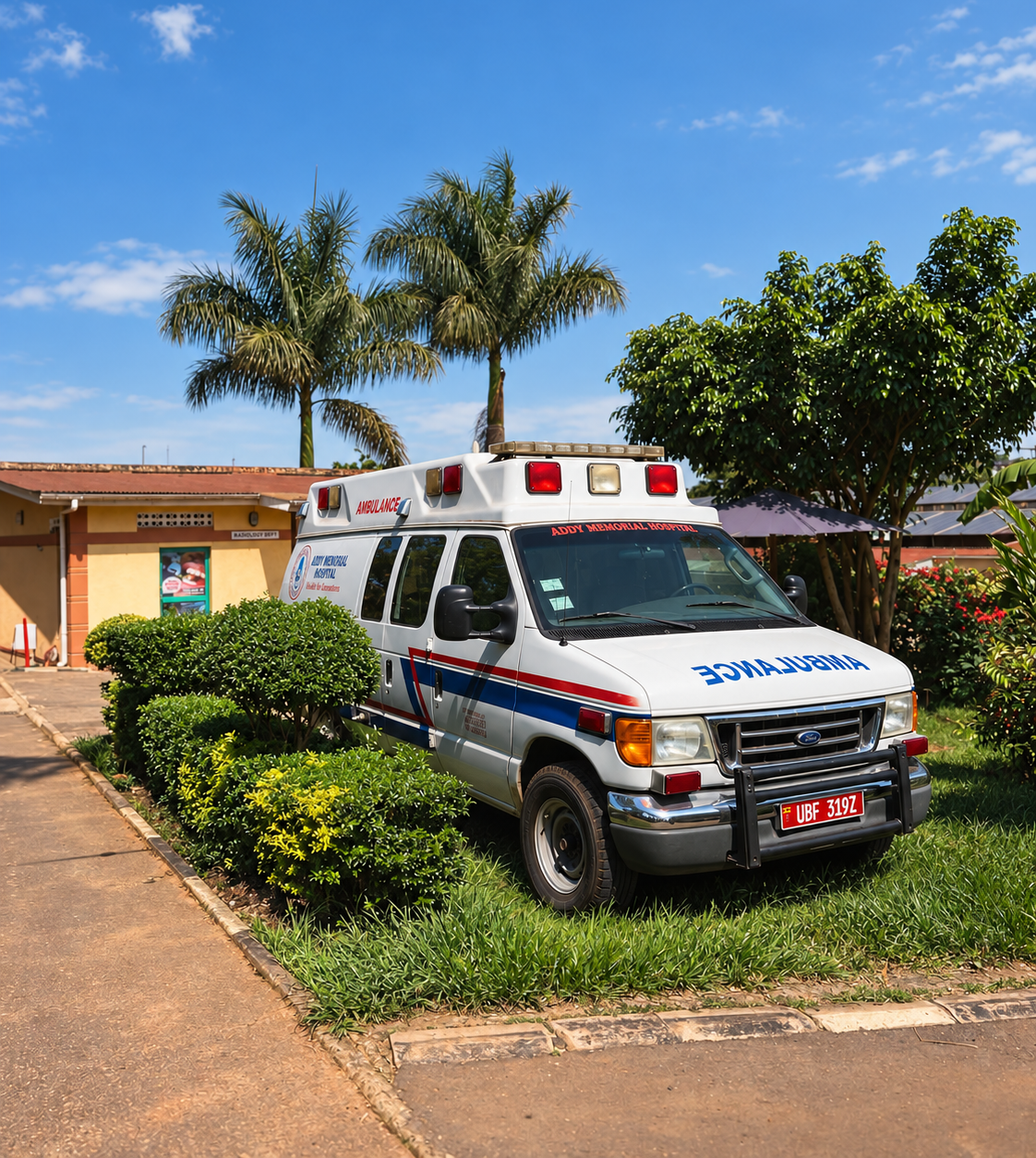
Ambulances are equipped with essential life‑support equipment, including oxygen, cardiac monitors, first‑aid supplies, and emergency medications. Highly trained paramedics and emergency medical technicians (EMTs) provide critical care, manage trauma, support cardiac emergencies, and coordinate with hospital teams to ensure seamless handover upon arrival.
The service also supports non‑emergency medical transport for patients who need supervised movement due to mobility challenges, chronic illness, or post‑operative care requirements.
• Patients experiencing medical emergencies.
• Individuals with trauma, accidents, or sudden illness.
• Patients requiring urgent transfer between facilities.
• People with mobility limitations needing supervised transport.
• Expectant mothers in emergency obstetric situations.
• Families needing safe transport for critically ill loved ones.
• Quick response and professional emergency care.
• Skilled paramedics providing stabilization and monitoring.
• Safe, well‑equipped ambulances with life‑support tools.
• Clear communication and reassurance throughout transport.
• Seamless coordination with receiving hospitals.
• Respectful, compassionate handling of patients and families.
Patient should:
• Provide clear location details when requesting an ambulance.
• Share known medical history, allergies, or medications.
• Keep identification and medical documents accessible.
• Stay calm and follow paramedic instructions.
• Ensure pathways are clear for ambulance access.
• Avoid giving food or drink unless advised.