
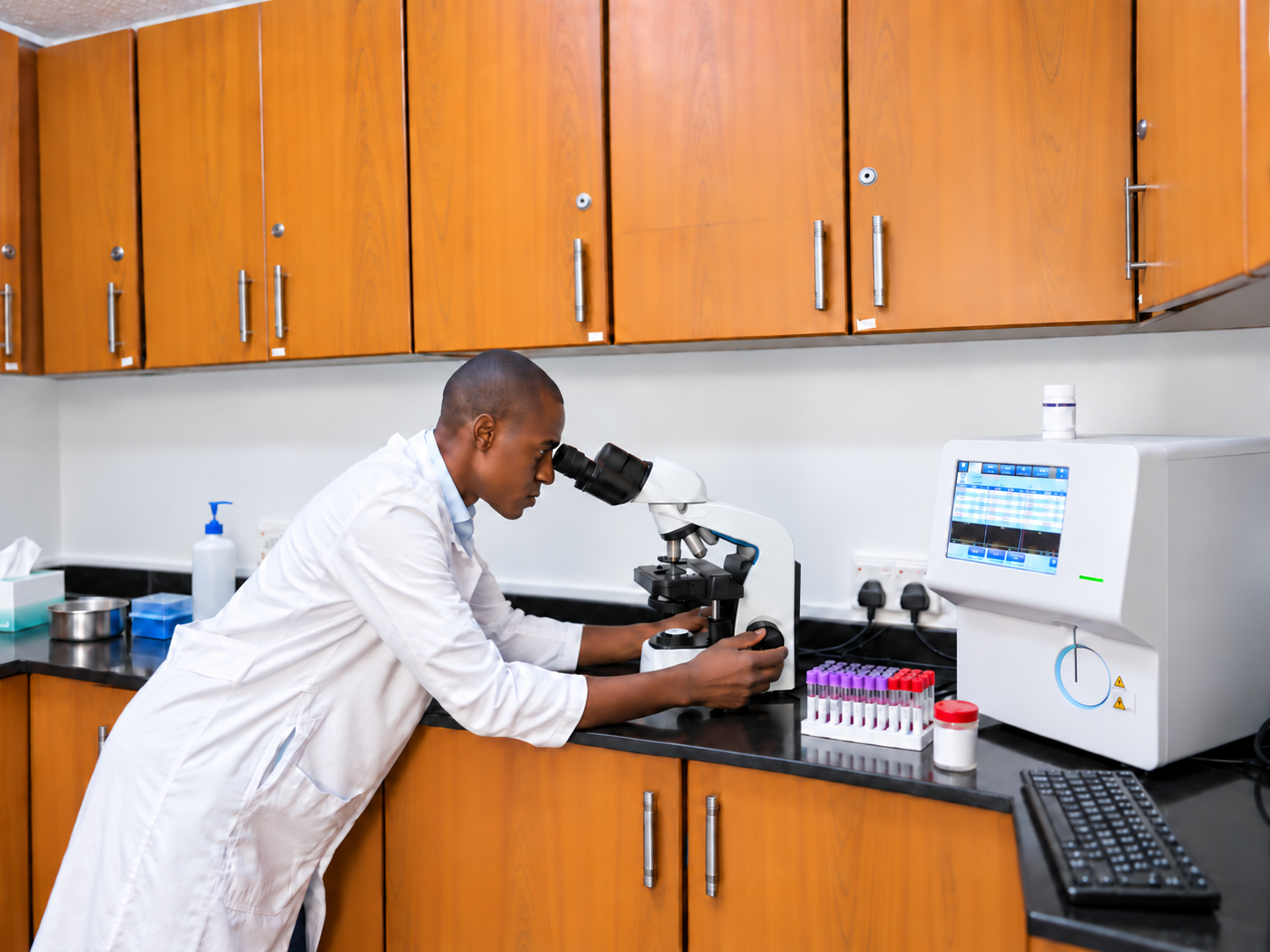
Highly trained laboratory scientists and technologists use advanced analyzers, microscopes, and molecular platforms to deliver precise results. The laboratory follows strict quality control and safety standards to ensure accuracy and reliability.
Tests performed include routine blood counts, liver and kidney function tests, lipid profiles, hormone assays, infectious disease screening, tumor markers, culture and sensitivity, histology, and DNA-based diagnostics. Emergency and stat testing are available for critically ill patients requiring rapid results.
The laboratory also provides patient education on sample collection, result interpretation (through clinicians), and follow‑up testing when needed.
• Patients needing diagnostic tests for illness evaluation.
• Individuals monitoring chronic conditions (diabetes, hypertension, kidney disease).
• Pregnant women requiring antenatal screening.
• Patients undergoing treatment who need regular lab monitoring.
• Individuals needing preventive health checkups.
• Doctors requiring specialized tests for accurate diagnosis.
• Families seeking DNA or genetic testing.
• Professional and safe sample collection.
• Clear instructions and supportive staff.
• Modern equipment ensuring accurate and timely results.
• Confidential handling of all patient information.
• Quick turnaround for routine and emergency tests.
• Coordination with clinicians for proper interpretation.
• Hygienic, well‑organized laboratory environment.
Patients should:
• Follow fasting instructions for tests like lipid profile or fasting glucose.
• Bring previous test results for comparison when available.
• Inform staff about medications, supplements, or ongoing treatments.
• Stay hydrated unless fasting is required.
• Provide clean, properly collected urine or stool samples when requested.
• Arrive early for registration and sample collection.
• Follow all instructions for specialized tests (e.g., 24‑hour urine, cultures).