
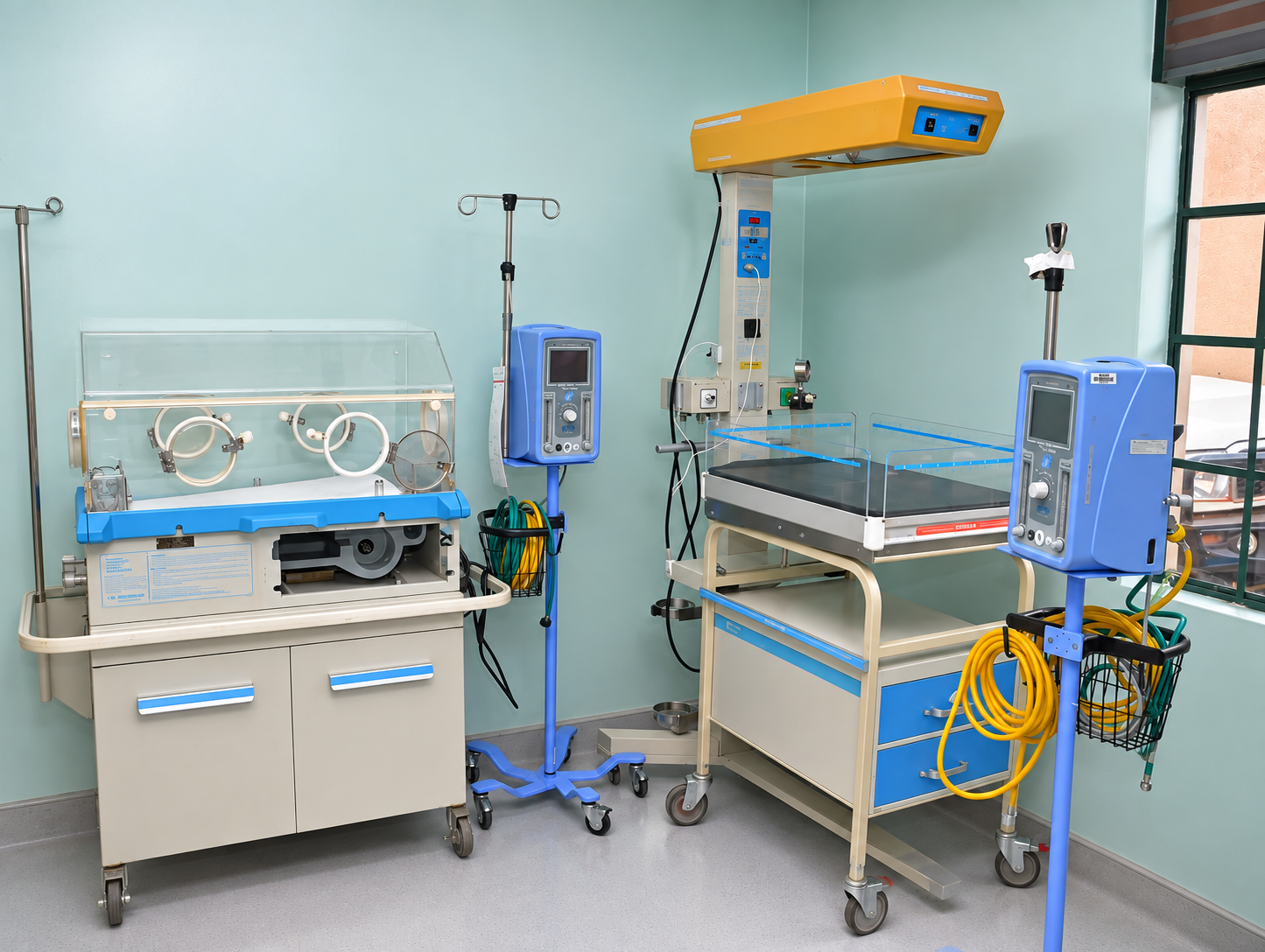
The NICU is equipped with incubators, ventilators, phototherapy units, cardiac monitors, infusion pumps, and temperature‑controlled environments to support fragile newborns. Care is provided by a multidisciplinary team including neonatologists, pediatricians, neonatal nurses, respiratory therapists, nutritionists, and lactation consultants.
Services include respiratory support, intravenous therapy, infection management, nutritional support (including tube feeding), jaundice treatment, thermoregulation, and continuous monitoring of vital signs. Parents are supported with counseling, breastfeeding guidance, and education on newborn care.
The NICU emphasizes family‑centered care, allowing parents to participate in bonding activities such as kangaroo mother care (KMC), safe handling, and feeding when appropriate.
• Premature babies
• Low‑birth‑weight infants
• Newborns with breathing or respiratory distress
• Babies with infections or sepsis
• Infants with congenital abnormalities
• Newborns requiring surgical recovery or stabilization
• Babies with jaundice needing phototherapy
• Infants experiencing birth complications
• 24/7 monitoring and specialized neonatal care
• Advanced equipment to support breathing, feeding, and growth
• Skilled neonatal nurses and doctors providing continuous attention
• Clear communication about the baby’s condition and progress
• Opportunities for bonding through kangaroo mother care
• Guidance on breastfeeding, nutrition, and newborn handling
• Emotional support and counseling for families
• Strict infection‑control measures to protect fragile infants
• Provide any maternal medical records or antenatal history
• Follow NICU hygiene and hand‑washing protocols
• Limit visitors as advised to reduce infection risk
• Ask questions and participate in care when permitted
• Bring breast milk or follow lactation guidance for feeding
• Prepare for possible extended hospital stay
• Attend discharge training on newborn care, feeding, and follow‑up visits